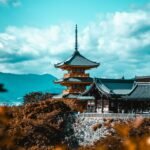

Nepal, nestled in the lap of the Himalayas, is a country that effortlessly blends natural beauty with spiritual richness. Beyond its towering peaks and scenic landscapes, Nepal is a treasure trove of ancient temples, each echoing stories of devotion, history, and artistry. For travelers seeking a journey that intertwines culture, spirituality, and architectural wonder, exploring Nepal’s temples is an unforgettable experience.
Kathmandu, the bustling capital, is home to some of Nepal’s most iconic temples. The Pashupatinath Temple, a UNESCO World Heritage Site, is a sacred hub for Hindu devotees and offers visitors a glimpse into vibrant rituals and ceremonies along the Bagmati River. Nearby, the Swayambhunath Stupa, famously known as the Monkey Temple, offers panoramic views of the city and a serene environment where Buddhist prayer wheels spin endlessly, creating a meditative atmosphere.

Moving to Patan, also known as Lalitpur, travelers can marvel at the exquisite craftsmanship of the Patan Durbar Square. This historic site is dotted with intricately carved temples, shrines, and palaces, each reflecting the fusion of Hindu and Buddhist influences. The Krishna Mandir, made of stone with detailed carvings of Hindu epics, stands as a testament to Nepalese architectural brilliance. Walking through the square feels like stepping back in time, where every corner tells a story of devotion and heritage.
In Nepal, every temple is a story, every prayer a bridge, and every step a journey into the soul of the Himalayas.Hawk Travel
Bhaktapur, another jewel of the Kathmandu Valley, is renowned for its well-preserved medieval temples. The Nyatapola Temple, the tallest pagoda-style temple in Nepal, is dedicated to the goddess Siddhi Lakshmi and exemplifies the grandeur of Newar architecture. As visitors ascend its five-tiered steps, they encounter guardian statues and intricate wood carvings, offering a deep appreciation of Nepal’s artistic and spiritual traditions.


Outside the valley, Nepal’s temples continue to mesmerize. The Muktinath Temple, located in the Mustang region, holds religious significance for both Hindus and Buddhists. Pilgrims from across the subcontinent visit this temple, seeking blessings amid the serene Himalayan landscape. Similarly, the Lumbini complex, the birthplace of Lord Buddha, presents a tranquil and sacred environment where visitors can explore ancient monasteries, stupas, and meditation gardens.
Kathmandu
- Pashupatinath Temple: Sacred Hindu site along the Bagmati River.
- Swayambhunath (Monkey Temple): Buddhist stupa with panoramic city views.
Patan (Lalitpur)
- Patan Durbar Square: Historic square with Hindu and Buddhist temples.
- Krishna Mandir: Stone temple with intricate carvings of Hindu epics.
Bhaktapur
- Nyatapola Temple: Tallest pagoda-style temple dedicated to goddess Siddhi Lakshmi.
- Known for medieval architecture, wood carvings, and guardian statues.
Outside the Kathmandu Valley
- Muktinath Temple: Sacred for Hindus and Buddhists in Mustang region.
- Lumbini: Birthplace of Buddha, with monasteries, stupas, and meditation gardens.
Travel Experience
- Visiting temples is both cultural and spiritual.
- Highlights Nepalese devotion, history, and architectural artistry.
Traveling through Nepal’s temples is more than sightseeing; it is an immersive spiritual journey. Each temple, whether bustling with devotees or quietly perched on a hilltop, reflects the country’s devotion, history, and artistry. For those seeking a blend of cultural richness, architectural marvels, and profound serenity, Nepal’s temples offer a soulful experience that lingers long after the journey ends.