

Kyoto, once the imperial capital of Japan, remains one of the country’s most enchanting cities, blending centuries-old traditions with a serene modern atmosphere. Known as the cultural heart of Japan, Kyoto is home to over 1,600 Buddhist temples and 400 Shinto shrines, each with its own unique story. Travelers often come here seeking the quiet beauty of Zen gardens, the tranquility of moss-covered stone paths, and the elegance of wooden pagodas rising against a backdrop of forested hills. Walking through Kyoto feels like stepping back in time, where the rhythm of life moves with a graceful stillness.

Among Kyoto’s most iconic temples is Kinkaku-ji, the Golden Pavilion. Covered in shimmering gold leaf and reflected perfectly in the mirror-like pond at its base, this temple exemplifies the harmony between architecture and nature. The surrounding gardens shift dramatically with each season—cherry blossoms in spring, lush greens in summer, fiery maples in autumn, and snow-draped pines in winter—making Kinkaku-ji a year-round wonder. It’s no surprise that this UNESCO World Heritage site remains one of the most visited spots in the city.
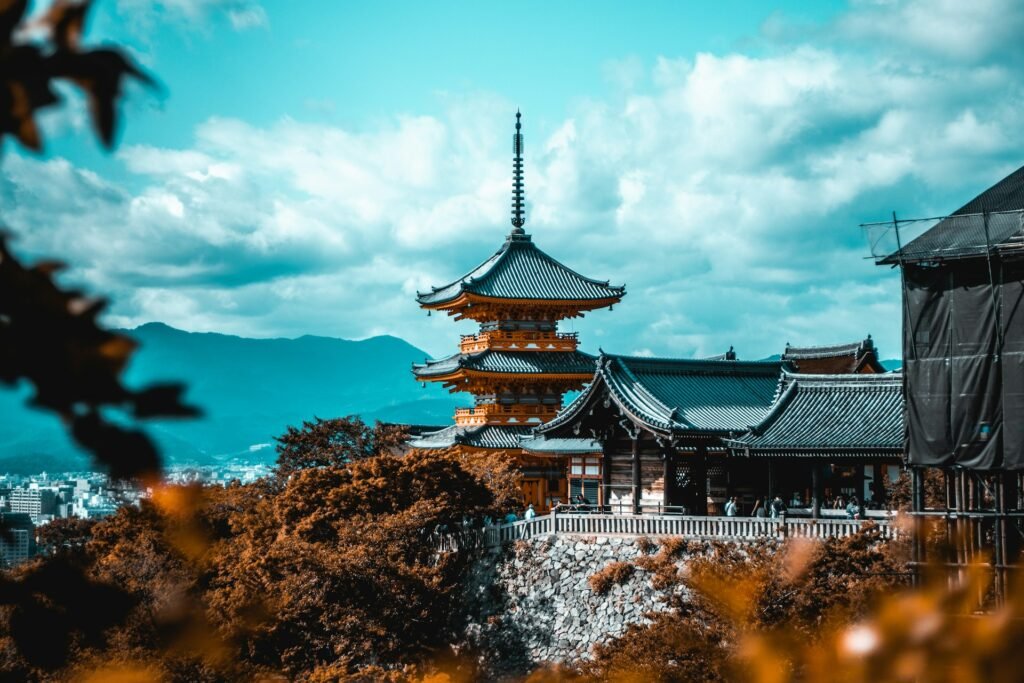
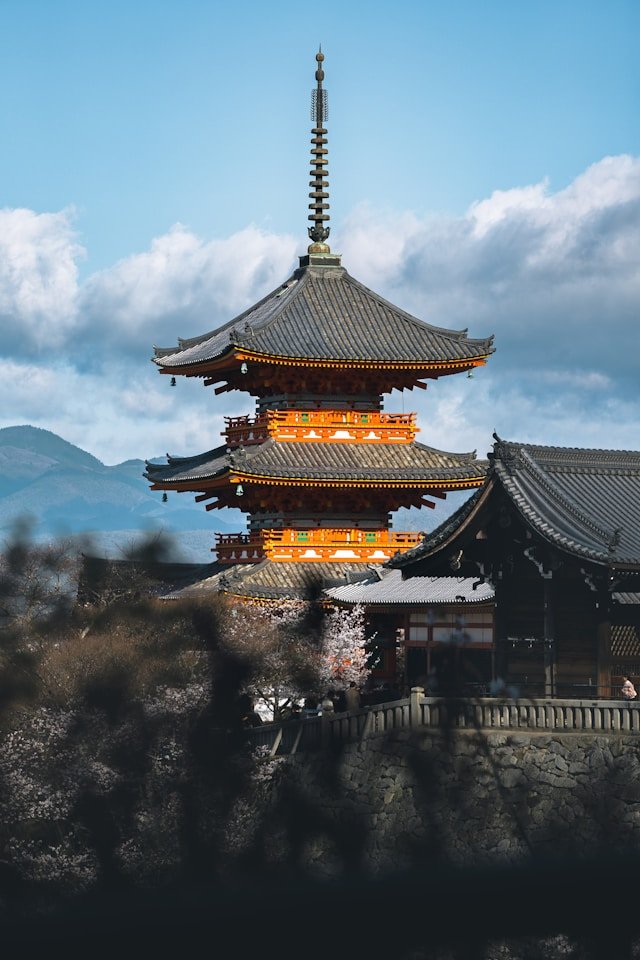
Another must-see is Kiyomizu-dera, perched on a hillside with sweeping views of Kyoto below. The temple’s massive wooden stage, built without a single nail, juts out over a sea of cherry trees that burst into bloom each spring. The name “Kiyomizu” means “pure water,” and visitors often line up to drink from its sacred Otowa Waterfall, believed to bestow health, longevity, and success. Beyond the architecture, Kiyomizu-dera captures the spiritual energy that defines Kyoto—where devotion and artistry intertwine.
For a more meditative experience, Ryoan-ji offers one of Japan’s most famous Zen rock gardens. The simple arrangement of fifteen stones on raked white gravel has puzzled and inspired visitors for centuries. The beauty of the garden lies in its minimalism, encouraging contemplation and personal interpretation. Many travelers sit quietly on the wooden veranda, finding a moment of stillness in the silence. This temple illustrates the subtle depth of Zen philosophy, where meaning often lies in what is not immediately visible.
While the grand temples draw the largest crowds, smaller hidden gems like Gio-ji and Shisen-do provide a more intimate connection to Kyoto’s spiritual landscape. Gio-ji, nestled in the Arashiyama area, is known for its moss garden, a soft green carpet beneath a canopy of maples. Shisen-do, meanwhile, delights with its landscaped gardens framed by circular windows, offering a peaceful escape from the city bustle. These quieter sites remind travelers that Kyoto’s magic is not only found in its famous landmarks but also in its subtle, tucked-away corners.
In Kyoto, every temple is not just a place of worship, but a doorway into the stillness and beauty of Japan’s soul.
Hawk Travel
A journey through Kyoto’s temples is more than sightseeing—it is a passage into Japan’s living history and spiritual soul. The interplay of nature, art, and faith is woven into every stone pathway, incense-filled hall, and seasonal bloom. Whether you’re marveling at golden reflections, sipping pure spring water, or simply sitting in silence, Kyoto invites you to slow down and embrace a timeless sense of wonder. For those seeking beauty and serenity, this ancient city remains an unparalleled destination.